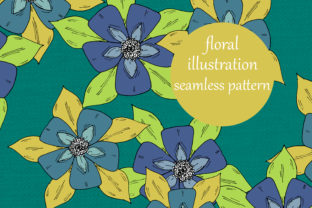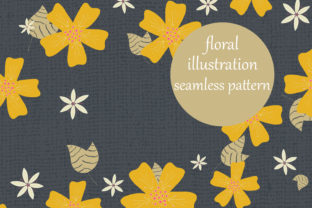
Hand Drawn Textured Floral Pattern: A Versatile Design for Creative Projects
Hand drawn textured floral patterns are a unique blend of artistry and functionality, offering a tactile and visual appeal that sets them apart from mass-produced designs. These patterns are created through the meticulous process of hand-drawing individual elements, such as flowers, leaves, and stems, and then adding texture to mimic the natural imperfections found in real botanical specimens. This technique results in a design that feels organic, personal, and deeply expressive.
For designers, artists, and crafters, hand drawn textured floral patterns provide an opportunity to infuse their work with a sense of authenticity and craftsmanship. Unlike digital or printed patterns, these designs carry the subtle variations and irregularities that come from human touch, making each piece feel more alive and distinctive. Whether used in textile printing, stationery, packaging, or decorative items, this type of pattern can elevate the aesthetic of any project.
Why Would Someone Be Interested in Hand Drawn Textured Floral Patterns?
The appeal of hand drawn textured floral patterns lies in their versatility and artistic value. They can be adapted to suit a wide range of applications, from fashion and home décor to book covers and greeting cards. Their natural appearance makes them particularly well-suited for projects that aim to evoke a sense of warmth, elegance, or nature-inspired beauty.
Additionally, the availability of hand drawn textured floral patterns in various color options allows for greater customization. This means users can choose colors that align with their brand identity, project theme, or personal preference. The ability to select from multiple color palettes ensures that the pattern can be tailored to fit different contexts without losing its original character.
Benefits of Using Hand Drawn Textured Floral Patterns
One of the primary benefits of hand drawn textured floral patterns is their visual richness. The added texture gives the design depth and dimension, making it stand out against flat or uniform backgrounds. This can be especially effective in print media, where the contrast between the pattern and the surrounding content can enhance readability and visual interest.
Another advantage is the emotional resonance they bring to a project. Because they are created by hand, these patterns often carry a sense of care and intentionality that can be difficult to replicate with automated or standardized designs. This makes them ideal for use in branding, marketing, or creative industries where storytelling and personality are key.
From a practical standpoint, hand drawn textured floral patterns are also highly adaptable. They can be scaled, modified, and layered to suit different formats and sizes. This flexibility allows creators to experiment with how the pattern is applied, whether it’s as a background, border, or standalone graphic.
Considerations and Tradeoffs
While hand drawn textured floral patterns offer many advantages, there are also some considerations to keep in mind. One of the main tradeoffs is the time and effort required to create or source these designs. Unlike ready-made templates, hand-drawn patterns may take longer to develop, which could affect project timelines.
Additionally, the level of detail in these patterns may not always be suitable for all applications. For example, if a project requires high-resolution images or intricate line work, a more refined or digitally optimized pattern might be a better choice. It's important to evaluate the intended use of the pattern before making a decision.
There is also the aspect of consistency. Since each hand-drawn element is unique, there may be slight variations in size, shape, or placement across the design. While this can add charm, it may also pose challenges when aligning the pattern with other elements in a layout.
When Are Hand Drawn Textured Floral Patterns a Strong Fit?
Hand drawn textured floral patterns are particularly well-suited for projects that prioritize creativity, uniqueness, and a personal touch. They work exceptionally well in areas like:
- Artisanal product design
- Custom packaging and branding
- Stationery and greeting card design
- Textile and fabric printing
- Interior design and wall art
In these contexts, the organic and handmade qualities of the pattern can help differentiate the final product from mass-produced alternatives, appealing to consumers who value authenticity and craftsmanship.
Alternatives to Consider
While hand drawn textured floral patterns have distinct advantages, there are situations where alternative design approaches may be more appropriate. For instance, if speed, precision, or scalability is a priority, digital floral patterns or vector-based designs might be a better fit. These types of patterns are often more consistent and easier to edit, making them ideal for large-scale production or complex layouts.
Moreover, if the goal is to achieve a more modern or minimalist aesthetic, a simpler, clean-lined floral pattern could be more effective. The key is to match the design style with the overall vision of the project.
Practical Decision-Making Insights
When deciding whether to use hand drawn textured floral patterns, it's essential to consider the specific needs of the project. Ask yourself questions like:
- Does the design need to convey a sense of warmth or natural beauty?
- Is there room for variation and individuality in the final product?
- Will the pattern be used in a context where texture and depth are important?
- Are there any time or resource constraints that might affect the feasibility of using a hand-drawn design?
By carefully evaluating these factors, you can determine whether hand drawn textured floral patterns are the right choice for your project or if another option would be more suitable.
In conclusion, hand drawn textured floral patterns offer a unique combination of artistry and adaptability, making them a valuable tool for creators looking to add depth, character, and individuality to their work. Whether you're designing for personal use or commercial purposes, understanding the strengths and limitations of this design approach can help you make informed decisions that align with your goals.