Horizontal Colorful Lines: A Creative Tool for Modern Design
In today’s fast-paced and visually driven digital landscape, design has become more than just aesthetics—it's a language. One of the most versatile and widely used design elements is horizontal colorful lines. These simple yet powerful visual components are transforming how professionals, creators, entrepreneurs, and enthusiasts approach branding, marketing, and user experience. Whether you're building a website, designing a social media campaign, or creating an infographic, horizontal colorful lines offer a dynamic way to communicate ideas with clarity and impact.
What Are Horizontal Colorful Lines?
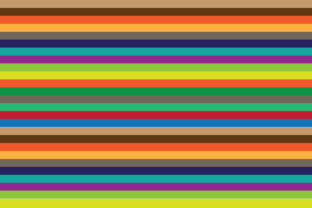
Horizontal colorful lines are graphic elements that consist of straight, parallel lines arranged horizontally across a design space. They come in various colors, thicknesses, and spacing, allowing designers to create visual interest while maintaining structure. These lines can be used as background patterns, dividers, borders, or even as part of data visualization tools like charts and graphs.
Unlike traditional grid systems or rigid layouts, horizontal colorful lines introduce flexibility and creativity. They allow for a balance between order and expression, making them ideal for both minimalistic and bold design styles. Their adaptability makes them a go-to choice for designers looking to add depth, contrast, and movement to their work.
The Rise of Visual Storytelling and Brand Identity
As consumers become more discerning, brands are under increasing pressure to differentiate themselves through unique visual identities. This has led to a growing trend in visual storytelling, where brands use color, shape, and layout to convey emotions, values, and narratives. Horizontal colorful lines play a crucial role in this evolution by providing a consistent and memorable visual motif that can be integrated across all brand touchpoints.
For example, a startup might use a series of horizontal lines in varying shades of blue to represent stability, trust, and innovation. A fashion brand could employ contrasting colors and spacing to reflect diversity and individuality. In both cases, these lines serve as a visual shorthand that resonates with audiences on an emotional level.
Why Horizontal Colorful Lines Matter Today
Several factors have contributed to the growing popularity of horizontal colorful lines in modern design:
- Increased demand for customization: Businesses are no longer satisfied with generic templates. They want unique, tailored designs that reflect their identity and values. Horizontal lines offer a scalable solution for creating custom visuals without sacrificing consistency.
- Rise of mobile-first design: With more users accessing content via smartphones, designers need to ensure that visual elements remain legible and engaging on smaller screens. Horizontal lines are particularly effective in this context due to their simplicity and clarity.
- Growth of digital marketing: Social media platforms, email campaigns, and online ads rely heavily on visual appeal. Horizontal lines help break up text, guide the eye, and enhance readability, making them essential for content-driven marketing strategies.
- Advancements in design tools: The availability of intuitive design software and plugins has made it easier for creators to experiment with horizontal lines. Tools like Adobe Illustrator, Canva, and Figma now offer drag-and-drop features that streamline the process of incorporating these elements into projects.
Practical Applications Across Industries
From web development to print media, horizontal colorful lines have found a place in nearly every creative discipline. Here are some practical examples of how they are being used today:
Web Design
On websites, horizontal lines are often used to separate sections of content, highlight key information, or create a sense of rhythm. For instance, a landing page might use a gradient of horizontal lines to draw attention to a call-to-action button or to emphasize a product feature.
Graphic Design
In graphic design, horizontal lines are frequently used in posters, brochures, and infographics. They can serve as decorative elements or functional components that help organize information. A recent trend is the use of animated horizontal lines in motion graphics to create a sense of movement and dynamism.
Marketing and Advertising
Marketers are increasingly leveraging horizontal lines to create eye-catching visuals for campaigns. A common technique is to use colored lines as background elements in social media posts, which not only adds visual interest but also helps reinforce brand messaging.
Education and E-Learning
In e-learning platforms, horizontal lines are used to structure lessons, divide topics, and improve user navigation. They help learners process information more efficiently, especially when paired with clear headings and bullet points.
How to Use Horizontal Colorful Lines Effectively
While horizontal colorful lines are versatile, their effectiveness depends on how they are implemented. Here are some best practices to consider:
- Balance and contrast: Ensure that the lines complement the overall design rather than overpower it. Use contrasting colors to make them stand out, but avoid overuse to maintain visual harmony.
- Consistency: If using horizontal lines as part of a brand identity, maintain consistency in color, spacing, and style across all materials to build recognition.
- Functionality: Consider the purpose of the lines. Are they decorative, structural, or informational? Tailor their use based on the needs of the project.
- Accessibility: Make sure that the lines do not interfere with readability, especially for users with visual impairments. Use high-contrast combinations and avoid overly complex patterns.
Conclusion: Embracing the Future of Design
As the design industry continues to evolve, horizontal colorful lines will remain a vital tool for creators and businesses alike. Their ability to blend form and function makes them adaptable to a wide range of applications, from digital marketing to educational content. By understanding the broader trends that drive their popularity—such as visual storytelling, customization, and accessibility—designers can harness the full potential of these lines to create compelling, meaningful experiences.
This download includes – EPS – JPG – PNG. Whether you're looking for high-quality vector files, ready-to-use image formats, or scalable graphics, these options provide flexibility and versatility for any project. From print to digital, these files ensure your design vision remains sharp and impactful across all platforms.