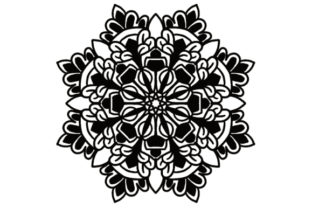
Mastering Mandala Vector Art Pattern 1041: A Versatile Tool for Creative and Productive Workflows
Mandala Vector Art Pattern 1041 is more than just a visual design—it's a flexible resource that can be seamlessly integrated into various creative, professional, and personal workflows. Whether you're a graphic designer, marketer, educator, or hobbyist, this pattern offers a unique blend of aesthetic appeal and functional utility. Its availability in AI, EPS, and JPG formats ensures compatibility with a wide range of tools and platforms, making it an ideal choice for both digital and print-based projects.
Understanding Mandala Vector Art Pattern 1041
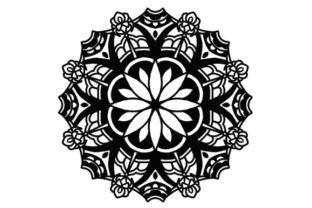
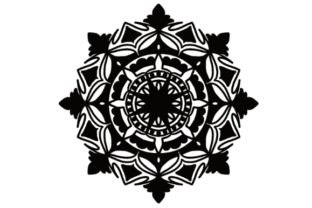
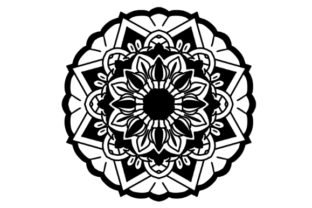
Mandala Vector Art Pattern 1041 is a meticulously crafted vector design featuring intricate geometric patterns and symmetrical elements. These designs are often used in meditation, spiritual practices, and artistic expression, but their applications extend far beyond these traditional uses. The pattern’s clean lines and repeating structures make it highly adaptable to different design contexts.
This particular version of the mandala has been optimized for scalability and precision, ensuring that it maintains its quality regardless of size or resolution. The vector format allows for easy editing and customization, which is especially valuable when working with software like Adobe Illustrator or Inkscape. For those who prefer raster images, the JPG file provides a high-quality, ready-to-use option that’s compatible with most image editing and design tools.
Where Mandala Vector Art Pattern 1041 Fits in a Broader Process
The integration of Mandala Vector Art Pattern 1041 into a workflow depends on the specific needs of the project. It can serve as a foundational element in branding, packaging, website design, or educational materials. Its versatility makes it suitable for use at multiple stages of a project, from initial concept development to final presentation.
For example, during the planning phase of a marketing campaign, this pattern can help establish a cohesive visual identity. When designing promotional materials such as brochures or social media graphics, the mandala can act as a background or accent, adding depth and visual interest without overwhelming the main content.
In educational settings, Mandala Vector Art Pattern 1041 can be used to create interactive learning resources. Teachers and educators can incorporate the pattern into lesson plans, worksheets, or digital presentations to engage students visually while reinforcing key concepts. Its symmetry and repetition also make it an excellent tool for teaching geometry and design principles.
Practical Use Cases for Mandala Vector Art Pattern 1041
Whether you're working on a creative project, managing a business, or organizing your personal space, Mandala Vector Art Pattern 1041 can provide value. Here are some practical examples of how it can be applied:
- Branding and Marketing: Use the pattern as a logo element, background for websites, or part of a product design. Its timeless appeal helps create a strong brand presence across multiple channels.
- Graphic Design: Incorporate the pattern into posters, infographics, or illustrations to add texture and visual balance. It works well with other design elements such as text, icons, and color schemes.
- Education and Learning: Utilize the pattern in teaching materials, flashcards, or interactive activities to enhance engagement and retention. Its structured nature supports visual learning styles.
- Personal Projects: Apply the pattern to home decor, scrapbooking, or DIY crafts. Its adaptability allows for creative expression in both digital and physical formats.
- Business Workflow: Integrate the pattern into internal documentation, reports, or presentations to improve clarity and aesthetics. It can also be used to create branded templates for team collaboration.
How Mandala Vector Art Pattern 1041 Interacts with Other Tools and Resources
Mandala Vector Art Pattern 1041 is designed to work alongside a variety of tools and platforms, enhancing its usability across different workflows. Its vector format ensures seamless compatibility with popular design software such as Adobe Illustrator, CorelDRAW, and Inkscape. This makes it easy to edit, scale, and customize according to specific project requirements.
When working with digital assets, the JPG file provides a convenient option for quick use in web design, social media, or print. It can be imported directly into tools like Canva, Photoshop, or PowerPoint without requiring additional conversion steps. For those who rely on AI-powered design tools, the AI file format allows for further refinement using machine learning algorithms, opening up new possibilities for creative experimentation.
Additionally, the pattern can be paired with other design elements such as typography, color palettes, and textures to create a cohesive visual language. This flexibility enables users to tailor the pattern to fit their specific style and project goals.
Implementation Tips for Using Mandala Vector Art Pattern 1041
To get the most out of Mandala Vector Art Pattern 1041, consider the following tips for effective implementation:
- Plan Your Workflow: Determine where and how the pattern will be used before importing it into your design. Consider factors such as scale, placement, and interaction with other elements.
- Test Compatibility: Ensure that the pattern works well with your chosen tools and platforms. Test different file formats to find the one that best suits your needs.
- Customize as Needed: Adjust colors, sizes, and shapes to align with your project’s aesthetic. Don’t hesitate to experiment with variations to achieve the desired effect.
- Organize Your Files: Keep track of different versions of the pattern and any modifications you make. This helps streamline your workflow and maintain consistency across projects.
- Use for Multiple Purposes: Explore different ways to apply the pattern—whether as a background, accent, or standalone element. Its adaptability allows for creative reuse in various contexts.
Factors to Consider for Long-Term Use
When integrating Mandala Vector Art Pattern 1041 into your routine, it’s important to consider factors such as preparation, organization, and long-term usability. Start by assessing how the pattern fits into your existing workflow and identify areas where it can add value.
Consistency is key when using the pattern across multiple projects. Establish a system for storing and accessing different versions of the pattern to ensure efficient retrieval and use. Additionally, maintaining high-quality standards is essential, especially when working with clients or publishing content.
Finally, stay open to evolving your approach. As your skills and needs change, so too can your use of Mandala Vector Art Pattern 1041. Regularly evaluate its impact on your workflow and explore new ways to incorporate it into your creative process.