Mastering the 3D Geometric Blocks Pattern: A Guide for Designers and Creators
The 3D geometric blocks pattern has become a popular design element across various industries, from web development to graphic design and even fashion. This pattern is not just visually striking—it also offers functional benefits that make it versatile for multiple applications. Whether you're creating digital assets, branding materials, or physical products, understanding how to use this pattern effectively can elevate your work significantly.
What Is a 3D Geometric Blocks Pattern?
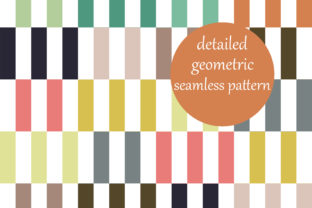
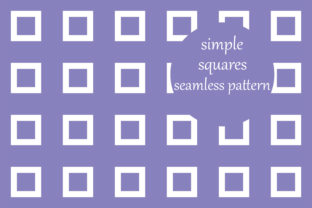
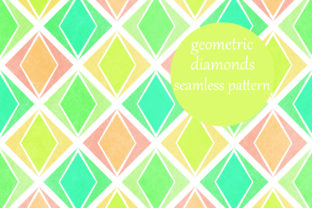
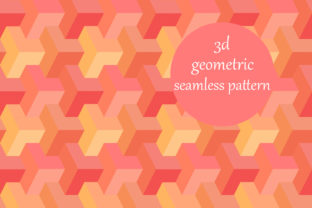
A 3D geometric blocks pattern is a repeating design made up of stacked or interlocking block shapes that create an illusion of depth and dimensionality. These patterns are often used in backgrounds, textures, and decorative elements. Unlike flat geometric designs, the 3D effect adds visual interest and complexity, making it ideal for projects that require both aesthetics and functionality.
This type of pattern is commonly found in UI/UX design, where it's used to enhance user experience by adding subtle depth to buttons, cards, and other interactive elements. It's also popular in print media, such as packaging, posters, and stationery, where it adds a modern and sophisticated touch.
Why You Should Care About the 3D Geometric Blocks Pattern
The 3D geometric blocks pattern is more than just a trendy design choice—it’s a powerful tool for communication and creativity. Its structured yet dynamic nature allows designers to convey information clearly while maintaining visual appeal. For professionals, this pattern can help differentiate their work in a competitive market. For hobbyists and entrepreneurs, it offers an accessible way to experiment with design without requiring advanced technical skills.
Moreover, the 3D geometric blocks pattern is highly customizable. You can adjust colors, sizes, angles, and spacing to match your project's specific needs. This flexibility makes it suitable for both beginners and seasoned designers alike.
Common Mistakes When Using the 3D Geometric Blocks Pattern
While the 3D geometric blocks pattern is versatile, many users make mistakes when implementing it. Understanding these common pitfalls can save time, effort, and resources.
- Overcomplicating the design: Adding too many layers or intricate details can overwhelm the viewer and reduce the effectiveness of the pattern.
- Ignoring scalability: Not considering how the pattern will look at different sizes can lead to inconsistencies in both digital and print formats.
- Using low-quality assets: Poorly designed or pixelated images can degrade the overall quality of the final product.
- Not testing on multiple devices: Failing to check how the pattern performs across different screen sizes and resolutions can result in usability issues.
- Misaligning the blocks: Off-center or misaligned blocks can disrupt the intended visual flow and make the design appear unprofessional.
How These Mistakes Affect Your Work
Each of these mistakes can have real-world consequences. Overly complex designs may confuse users or distract from the main message. Poor scalability can lead to wasted time and resources when scaling up or down. Low-quality assets can damage brand credibility, especially in professional settings. Misalignment can create a sense of instability, reducing trust in the design.
For example, if you're designing a website using the 3D geometric blocks pattern, and the blocks don't align properly on mobile devices, users might find the interface difficult to navigate, leading to higher bounce rates and lower engagement.
Practical Tips to Avoid These Mistakes
Here are some actionable steps to help you avoid common errors when working with the 3D geometric blocks pattern:
- Start simple: Begin with a basic layout before adding complexity. This ensures clarity and helps maintain control over the design.
- Test across platforms: Always preview your design on different devices and screen sizes to ensure consistency.
- Use high-resolution assets: Invest in quality images or vector graphics to maintain sharpness and clarity.
- Keep it purposeful: Ensure every element serves a function or enhances the overall message of your design.
- Seek feedback: Getting input from others can help identify potential issues you might have missed.
What to Check Before Finalizing Your Design
Before finalizing your use of the 3D geometric blocks pattern, consider the following:
- Does the pattern align with your brand identity? It should reflect your company's values and style.
- Is the color scheme appropriate? Choose colors that complement your content and audience.
- Are the blocks spaced correctly? Proper spacing ensures readability and visual balance.
- Can the pattern be scaled easily? It should perform well in both small and large formats.
- Is the design accessible? Ensure it doesn’t hinder usability for all users, including those with disabilities.
Conclusion
The 3D geometric blocks pattern is a valuable asset for designers, creators, and businesses looking to add depth and sophistication to their work. By avoiding common mistakes and focusing on practical application, you can unlock its full potential. Whether you're a beginner or an expert, taking the time to understand how to use this pattern effectively will pay off in the long run.