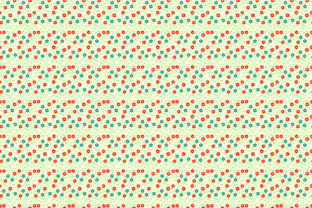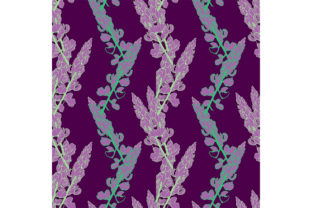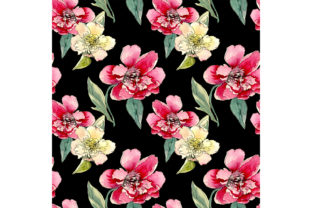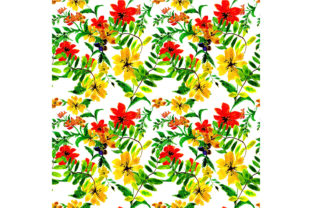
Seamless Pattern with Flowers: A Creative Resource for Design and Art
In the world of graphic design, illustration, and digital art, seamless patterns play a crucial role in creating visually cohesive and aesthetically pleasing compositions. Among the most popular and versatile types of seamless patterns are those featuring flowers and leaves. These patterns not only offer an organic and natural aesthetic but also provide endless creative possibilities across various industries. This article explores the concept of seamless pattern with flowers, its characteristics, benefits, and applications, particularly focusing on hand-drawn textures that blend watercolor illustrations with modern design trends.
The Essence of Seamless Patterns
A seamless pattern is a repeating design that can be tiled without visible seams or breaks. This means that when you place the pattern on a surface, it flows continuously, creating an illusion of infinite repetition. The key to achieving this effect lies in the careful alignment of edges so that they match perfectly when repeated. Seamless pattern with flowers is especially popular because it allows designers to incorporate natural elements like flowers and leaves into their work while maintaining visual harmony.
When creating a seamless flower pattern, the artist must ensure that the top and bottom edges of the design align seamlessly. Similarly, the left and right sides should connect smoothly to avoid any disruption in the flow. This requires precision and attention to detail, which is why many designers prefer using digital tools or vector-based software to achieve flawless results.
Hand Drawn Textures: A Trendy Modern Approach
While traditional seamless patterns often rely on geometric shapes and clean lines, there's a growing trend toward more organic and artistic styles. Hand-drawn textures with flowers and leaves in a trendy modern style—such as watercolor illustrations—are becoming increasingly popular among designers, illustrators, and artists. These textures bring warmth, depth, and a sense of authenticity to any project.
Watercolor techniques allow for soft gradients, subtle blending, and natural imperfections that make each piece unique. When combined with floral motifs, these textures create a dreamy and inviting atmosphere. Whether used in fashion, interior design, or digital media, such patterns add a touch of elegance and sophistication.
One of the advantages of using hand-drawn textures is their versatility. They can be adapted to suit different color schemes, moods, and themes. For instance, a delicate pastel watercolor pattern might be ideal for a feminine brand, while a bolder, more saturated version could work well for a contemporary lifestyle label.
Applications of Seamless Flower Patterns
The use of seamless pattern with flowers extends far beyond decorative purposes. From product packaging to website backgrounds, these patterns find application in a wide range of fields. Let’s explore some of the most common use cases:
- Fashion and Textile Design: Seamless floral patterns are frequently used in fabric prints, especially in women’s clothing, home textiles, and accessories. Their timeless appeal makes them a staple in both high-end and mass-market fashion.
- Digital Media and Web Design: Websites, mobile apps, and social media platforms often incorporate seamless patterns to enhance visual appeal. Floral patterns can serve as background textures, buttons, or icons.
- Interior Design and Decor: In home décor, seamless flower patterns are used on wall coverings, rugs, and upholstery. They add a touch of nature and elegance to any living space.
- Art and Illustration: Artists and illustrators use seamless patterns to create repeatable elements in larger compositions. This technique is especially useful in creating murals, posters, and other large-scale artwork.
Each of these applications benefits from the unique qualities of seamless pattern with flowers. The natural elements of flowers and leaves evoke a sense of calm and beauty, making them ideal for projects that aim to inspire or soothe the viewer.
Advantages of Using Hand-Drawn Textures
Hand-drawn textures, particularly those incorporating floral elements, offer several advantages over digitally generated patterns. One of the most significant benefits is the level of detail and character they bring to a design. Unlike machine-generated patterns, hand-drawn textures often have irregularities and variations that make them feel more authentic and human.
Additionally, hand-drawn textures can be easily customized. Artists can adjust colors, shapes, and layouts to better fit the needs of a specific project. This flexibility is especially valuable in creative industries where originality and personal expression are highly valued.
Another advantage is the emotional connection that hand-drawn textures can create. The imperfections and nuances in the artwork reflect the artist’s personality and vision, making the final product more engaging and meaningful to the audience.
Considerations for Creating and Using Seamless Patterns
While seamless pattern with flowers offers numerous benefits, there are several considerations to keep in mind when creating or using these patterns:
- Consistency in Design: To ensure a seamless effect, the pattern must maintain consistency in color, shape, and composition throughout the entire design. This requires careful planning and execution.
- Resolution and Scaling: High-resolution files are essential for maintaining quality when scaling up or down. Low-resolution patterns may appear pixelated or distorted when used in print or digital formats.
- Color Harmony: Choosing the right color palette is crucial for achieving a visually appealing result. Colors should complement each other and align with the intended mood or theme of the design.
- Copyright and Licensing: When using pre-made seamless patterns, it’s important to verify the licensing terms to ensure proper usage and avoid legal issues.
By keeping these considerations in mind, designers can create and use seamless pattern with flowers effectively, ensuring that their work is both beautiful and functional.
Trends in Floral Design and Pattern Creation
The world of floral design and pattern creation is constantly evolving, driven by changing consumer preferences and technological advancements. One of the latest trends is the integration of watercolor-style textures with modern design aesthetics. This combination creates a fresh and contemporary look that appeals to a wide range of audiences.
Another notable trend is the use of minimalistic floral patterns. These designs feature simplified shapes and subtle details, making them ideal for modern interiors and digital interfaces. Minimalism emphasizes clean lines and negative space, allowing the natural beauty of the flowers to shine through.
Additionally, there's a growing interest in sustainable and eco-friendly design practices. Many artists and designers are incorporating recycled materials and environmentally conscious techniques into their work. This shift reflects a broader movement toward sustainability in the creative industries.
Conclusion
Seamless patterns with flowers and leaves offer a unique blend of beauty, versatility, and functionality. Whether created through hand-drawn textures or digital tools, these patterns provide endless opportunities for creativity and innovation. By understanding their characteristics, advantages, and applications, designers and artists can harness the power of seamless pattern with flowers to elevate their work and meet the demands of a diverse audience.