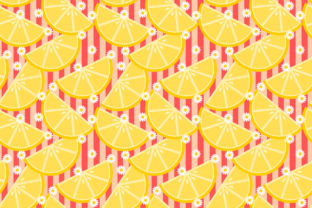
Sliced Lemon and Tiny White Flowers
Sliced Lemon and Tiny White Flowers is a seamless pattern that brings a touch of elegance and natural beauty to any design project. This intricate design features delicate white flowers intertwined with slices of lemon, creating a visually appealing and versatile asset for creative professionals. Whether you're working on fabric designs, gift wrapping, or digital backgrounds, this pattern offers a unique aesthetic that can elevate your work.
Where It Fits in the Creative Workflow
This pattern is not just a decorative element—it's a tool that can be integrated into various stages of a creative workflow. From initial concept development to final product creation, Sliced Lemon and Tiny White Flowers can serve as inspiration, a visual guide, or even a functional component in your design.
For instance, during the ideation phase, using this pattern can help spark creativity and provide a cohesive theme for your project. When designing textiles or wallpapers, it can act as a base layer that adds texture and depth. In marketing or branding contexts, it can be used to create visually consistent materials that resonate with a particular aesthetic.
Use Cases Across Industries
The versatility of Sliced Lemon and Tiny White Flowers makes it suitable for a wide range of applications. Here are some common use cases:
- Fabrics and Textiles: Use the pattern as a repeat design for apparel, home décor, or craft projects.
- Gift Wrapping: Apply the pattern to paper or fabric wraps to add a personal and artistic touch to gifts.
- Wallpaper and Backdrops: Incorporate the design into interior spaces to create a calming and elegant atmosphere.
- Digital Assets: Utilize the pattern in web design, social media graphics, or print materials for a cohesive brand identity.
- Creative Projects: Integrate the pattern into art installations, stationery, or packaging for a unique and memorable experience.
Integration with Design Tools
To make the most of Sliced Lemon and Tiny White Flowers, it's important to understand how it interacts with your preferred design tools. The pattern comes in both EPS 8 and JPG formats, making it compatible with a variety of software such as Affinity Designer, Inkscape, and Adobe Illustrator.
When working in vector-based programs like Illustrator or Inkscape, the EPS format ensures high-quality scalability without loss of detail. For quick edits or print-ready files, the JPG format provides a convenient option. Understanding these file types and their respective uses can streamline your workflow and improve efficiency.
Practical Implementation Tips
Here are some tips to help you integrate Sliced Lemon and Tiny White Flowers smoothly into your projects:
- Plan Your Layout: Before applying the pattern, consider how it will fit within your overall design. Experiment with placement and scale to achieve the desired effect.
- Layer Strategically: Use the pattern as a background or overlay to enhance other elements without overwhelming them.
- Test Print Quality: If printing, ensure that the resolution and format are appropriate for the intended use.
- Customize as Needed: Adjust colors, sizes, or spacing to match your project’s specific requirements.
- Save Multiple Versions: Keep different versions of the pattern for various applications, such as digital vs. physical use.
Workflow Examples
Let’s explore how Sliced Lemon and Tiny White Flowers can be incorporated into real-world workflows:
Example 1: Fabric Design
A textile designer might start by sketching a concept inspired by the pattern. They could then import the EPS file into their design software, adjusting the size and placement to fit the fabric layout. After refining the design, they would export it in multiple formats for production and marketing purposes.
Example 2: Marketing Materials
A small business owner looking to create branded materials might use the pattern as a backdrop for social media posts or email templates. By incorporating the design into their visuals, they can maintain a consistent brand image while adding a unique touch.
Factors to Consider
When integrating Sliced Lemon and Tiny White Flowers into your workflow, several factors should be taken into account:
- Preparation: Ensure that you have the right tools and resources before starting your project.
- Compatibility: Check that the file format works with your design software to avoid technical issues.
- Usability: Test the pattern in different contexts to see how it performs in various applications.
- Organization: Keep your files organized to save time and reduce confusion during the design process.
- Efficiency: Streamline your workflow by using the pattern in ways that align with your goals and deadlines.
- Consistency: Maintain a cohesive look across all materials that feature the pattern.
- Quality Control: Review your work regularly to ensure that the pattern is used effectively and professionally.
- Long-Term Use: Consider how the pattern can be adapted or repurposed for future projects.
Conclusion
Sliced Lemon and Tiny White Flowers is more than just a design pattern—it's a versatile asset that can enhance your creative output across multiple industries. By understanding its potential applications, integrating it seamlessly into your workflow, and considering key factors like compatibility and usability, you can unlock new possibilities for your projects. Whether you're a professional designer, a hobbyist, or a small business owner, this pattern offers a valuable addition to your toolkit.