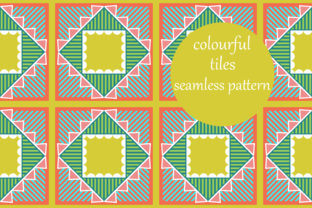
The Geometric Checkerboard Pattern: A Timeless Design with Modern Appeal
The geometric checkerboard pattern is a classic design that has stood the test of time. Made up of alternating squares in contrasting colors, this pattern offers a simple yet bold visual impact. Whether used in fashion, interior design, or digital media, the checkerboard pattern remains a versatile and widely appreciated choice. In this article, we’ll explore what makes the geometric checkerboard pattern unique, how it can be applied in various contexts, and why it continues to be relevant in today’s creative landscape.
What Is a Geometric Checkerboard Pattern?
A geometric checkerboard pattern is a type of repeating design composed entirely of digital shapes—typically squares—that alternate between two or more colors. The most common variation features black and white squares arranged in an alternating grid, creating a striking contrast. However, modern adaptations offer a wide range of color combinations, making it adaptable to different styles and preferences.
This pattern is often associated with chessboards, hence the term “checkerboard.” However, its applications extend far beyond that. In design, it serves as a foundation for more complex patterns and can be modified to suit various aesthetics, from minimalist to high-contrast.
How It Works
The checkerboard pattern works by arranging squares in a grid where each square alternates in color with its neighbors. This creates a balanced, symmetrical design that is both visually engaging and easy to replicate. The simplicity of the pattern allows for flexibility in terms of scale, color, and placement.
- Alternating Squares: Each square is placed next to another of a different color, forming a consistent rhythm.
- Repetition: The pattern repeats seamlessly across surfaces, making it ideal for large-scale projects.
- Contrast: The use of contrasting colors enhances visibility and draws attention to the design.
Why the Checkerboard Pattern Remains Popular
The enduring popularity of the checkerboard pattern lies in its ability to convey both structure and creativity. It is a design that is easy to understand but rich in potential for customization. Here are some reasons why it continues to be favored in various fields:
1. Simplicity and Clarity
The checkerboard pattern is one of the simplest geometric designs, making it accessible to both beginners and professionals. Its clear structure ensures that it can be easily interpreted and applied without confusion. This clarity is especially valuable in branding, signage, and user interface (UI) design, where quick recognition is essential.
2. Versatility in Application
From clothing to wallpaper, the checkerboard pattern can be adapted to almost any medium. For example:
- Fashion: Used in garments, accessories, and textiles for a bold, eye-catching look.
- Interior Design: Applied to flooring, wall coverings, and furniture for a modern aesthetic.
- Digital Media: Incorporated into websites, apps, and graphics for a clean, structured layout.
3. Visual Impact
Despite its simplicity, the checkerboard pattern has a strong visual presence. The interplay of light and dark squares creates depth and movement, even on flat surfaces. This makes it a powerful tool for designers looking to make a statement without overcomplicating their work.
Modern Applications of the Checkerboard Pattern
In today’s fast-paced world, the checkerboard pattern has found new relevance in technology, business, and education. Let’s explore some of its contemporary uses:
1. Technology and User Interface Design
Many digital platforms use the checkerboard pattern to enhance user experience. For instance, some apps and websites incorporate this pattern in backgrounds or buttons to improve readability and visual hierarchy. The pattern’s clean lines and high contrast help users navigate interfaces more effectively.
2. Business and Branding
Companies often use the checkerboard pattern as part of their branding strategy. It can be integrated into logos, packaging, and promotional materials to create a cohesive and memorable brand identity. The pattern’s association with order and precision makes it particularly appealing to businesses in finance, technology, and education.
3. Educational Tools
Teachers and educators can use the checkerboard pattern to teach geometry, symmetry, and design principles. It provides a tangible way for students to understand concepts like repetition, contrast, and spatial relationships. Additionally, it can be used in classroom activities to encourage creativity and problem-solving.
Exploring Color Options
While the traditional black-and-white checkerboard pattern is iconic, modern variations offer a wide range of color options. These include:
- Monochromatic: Using shades of a single color for a subtle, elegant look.
- Tonal: Combining multiple tones within a limited palette for a more nuanced effect.
- High-Contrast: Pairing bold colors like red and blue for maximum visual impact.
- Neon: Utilizing bright, vibrant hues for a dynamic and youthful appearance.
Choosing the right color combination depends on the intended use and audience. For example, a neon checkerboard might be more suitable for youth-oriented products, while a monochromatic version could work well in professional settings.
Common Misconceptions About the Checkerboard Pattern
Despite its widespread use, the checkerboard pattern is sometimes misunderstood. Here are a few common misconceptions:
- It’s Only for Traditional Uses: While it has historical roots, the pattern is highly adaptable and can be used in modern contexts such as tech and fashion.
- It’s Too Simple: On the contrary, its simplicity allows for endless customization and creative expression.
- It’s Not Suitable for Large Spaces: With proper scaling and color choices, the pattern can be effectively used in large areas like floors and walls.
Conclusion: The Enduring Power of the Checkerboard Pattern
The geometric checkerboard pattern is more than just a design trend—it’s a timeless element of visual culture. Its ability to balance simplicity with sophistication makes it a valuable asset in both artistic and practical applications. Whether you’re a designer, a student, or simply someone who appreciates good design, understanding the checkerboard pattern can open up new possibilities for creativity and innovation.
As technology and design continue to evolve, the checkerboard pattern will likely remain a staple in our visual landscape. By exploring its history, versatility, and modern applications, we can appreciate not only its aesthetic appeal but also its functional value in everyday life.
If you're interested in experimenting with the checkerboard pattern, consider trying out different color schemes or integrating it into your own projects. You might be surprised at how much impact a simple design can have.