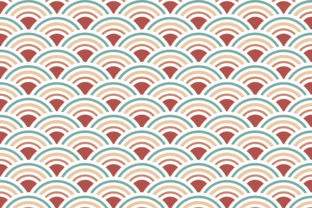
Colorful Wave Pattern White Background: A Timeless Fusion of Nature and Tradition
The Colorful Wave Pattern White Background is a design that seamlessly blends the organic beauty of nature with the refined elegance of traditional Japanese aesthetics. This pattern, often seen in Japanese wallpaper, textile prints, and decorative backdrops, features flowing wave motifs that echo the rhythmic motion of the sea. These waves are rendered in vibrant hues—ranging from deep blues to soft pastels—against a pristine white background, creating a striking contrast that draws the eye and evokes a sense of calm.
What Makes the Colorful Wave Pattern Unique?
The Colorful Wave Pattern White Background stands out due to its intricate detailing and symbolic significance. Unlike simpler geometric or abstract designs, this pattern captures the essence of movement and fluidity. The waves are often inspired by nature patterns, particularly those found in water textures and sea elements. These motifs are not just decorative; they carry cultural weight, representing tranquility, renewal, and the ever-changing cycle of life.
In traditional woodwork style-rooms, such as those found in Japanese shoji screens or wooden architecture, these wave patterns are used to create an atmosphere that feels both serene and sophisticated. The use of white backgrounds enhances the visual impact of the colors, allowing the wave elements to stand out while maintaining a cohesive and elegant aesthetic.
Comparing the Colorful Wave Pattern With Other Designs
When considering Japanese pattern options, it's important to understand how the Colorful Wave Pattern White Background compares with other popular choices. For instance, gold geometric backgrounds offer a more modern and luxurious feel, often used in high-end interior design. While these can be visually stunning, they may lack the organic warmth of wave patterns.
On the other hand, flower-based designs provide a more floral and romantic appeal, which may suit spaces looking for a softer, more feminine touch. However, these often lack the dynamic energy of wave patterns, which can add a sense of movement and depth to any room.
Another common alternative is the retro style or vintage pattern, which often features bold lines and contrasting colors. While these can be eye-catching, they may not convey the same level of subtlety and refinement that the Colorful Wave Pattern White Background offers.
Strengths and Limitations
The Colorful Wave Pattern White Background excels in creating a calming and inviting atmosphere. Its natural elements make it ideal for spaces where relaxation and mindfulness are priorities, such as meditation rooms, spas, or home offices. Additionally, the versatility of this design allows it to adapt to various settings, whether it's a Chinese-style backdrop or a Japanese-inspired wall decoration.
However, one potential limitation is that the Colorful Wave Pattern White Background may not be suitable for all color schemes. Its bold and vibrant hues can overwhelm smaller spaces or clash with darker tones. In such cases, opting for a more subdued version of the pattern or pairing it with neutral accents might be a better choice.
Where Is the Colorful Wave Pattern Best Used?
The Colorful Wave Pattern White Background is particularly well-suited for environments that benefit from a connection to nature and culture. It can be used as a wallpaper, backdrop, or even as a wraparound design in wrapping paper or fabric prints. In Asian-style interiors, it complements traditional woodwork and oriental ornamentation, enhancing the overall ambiance without overpowering the space.
It also works exceptionally well in retro-style decor or vintage-inspired rooms, where the combination of curves vector and line patterns can evoke a nostalgic yet refined aesthetic. Whether used in a Japanese-style room or a Chinese-inspired setting, the Colorful Wave Pattern White Background adds a touch of sophistication and cultural depth.
Design Elements That Enhance the Pattern
To fully appreciate the Colorful Wave Pattern White Background, it's essential to consider how it interacts with other design elements. For example, the inclusion of floral motifs or geometric shapes can create a layered effect, adding complexity and interest to the design. Similarly, incorporating textile elements like kimono patterns or oriental ornamentation can further enrich the visual narrative.
Additionally, the use of abstract art or graphic illustrations can complement the wave pattern, offering a modern twist on a classic design. When combined with white backgrounds, these elements help maintain a clean and uncluttered look, ensuring that the wave pattern remains the focal point.
Practical Applications and Realistic Examples
One practical application of the Colorful Wave Pattern White Background is in interior design projects that aim to blend traditional and contemporary styles. For instance, a living room featuring a Japanese-style wall with this pattern can serve as a tranquil retreat, especially when paired with wooden furniture and soft lighting.
Another example is the use of this pattern in graphic design or print media. A vector illustration of the wave pattern can be used in branding materials, creating a cohesive and visually appealing identity that resonates with Asian culture and nature-inspired themes.
In the realm of textiles, the Colorful Wave Pattern White Background can be incorporated into wrapping paper or fabric prints, making it a versatile option for both functional and decorative purposes. Whether used in home decor or commercial design, this pattern offers a timeless and elegant solution.
Conclusion: Making the Right Choice
Choosing the right design for your space involves understanding your needs, preferences, and the overall aesthetic you wish to achieve. The Colorful Wave Pattern White Background is an excellent choice for those seeking a balance between tradition and modernity, nature and artistry. Its ability to evoke serenity and elegance makes it a compelling option for a wide range of applications.
However, it's important to consider how this design fits within your specific environment. If you're looking for something more subdued or structured, exploring alternatives like geometric patterns or floral designs may be more appropriate. Ultimately, the key is to select a design that reflects your personal style and enhances the atmosphere of your space.