Polygonal Background Pattern: A Fusion of Geometry and Modern Design
In a world where visual aesthetics play a pivotal role in branding, user experience, and creative expression, the Polygonal Background Pattern has emerged as a versatile and timeless design element. This pattern, characterized by its geometric precision and abstract composition, offers a unique blend of structure and creativity that resonates across multiple industries. Whether used in digital media, textile design, or interior decoration, the Polygonal Background Pattern continues to captivate designers and consumers alike.
The Evolution of Polygonal Design
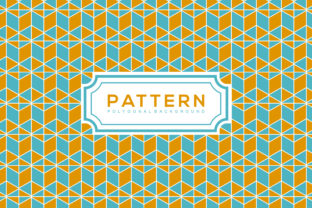
The concept of polygonal patterns is not new; it has roots in ancient art forms and architectural designs. However, in recent years, the integration of modern technology and digital tools has redefined how these patterns are created and applied. Today, the Polygonal Background Pattern is often seen in abstract seamless designs featuring triangles, squares, and other polygonal shapes. These patterns are not only visually appealing but also highly functional, offering a sense of order and balance in otherwise chaotic environments.
One of the most popular variations of this design is the Abstract Seamless Pattern with Triangle in Blue and Gold. This combination of colors—blue for calmness and gold for elegance—creates a striking contrast that appeals to both aesthetic and psychological needs. The use of triangle shapes adds dynamic movement to the design, making it ideal for applications such as wallpaper, fabric prints, and digital backgrounds.
Why Polygonal Patterns Are Trending Now
As businesses and individuals seek more refined and intentional design solutions, the Polygonal Background Pattern has become a go-to choice for those looking to add a touch of sophistication without sacrificing simplicity. Its clean lines and structured layout align perfectly with current trends in minimalism and modern design. In fact, the trend towards monochrome and muted color palettes has further amplified the appeal of these geometric patterns, allowing them to be adapted to a wide range of contexts.
Moreover, the rise of remote work and digital collaboration has increased the demand for visually engaging yet uncluttered backgrounds. Polygonal patterns offer a perfect solution, providing a professional and stylish backdrop for virtual meetings, presentations, and online content creation. Their ability to be seamlessly tiled makes them particularly useful for creating large-scale designs without visible seams or repetition.
Applications Across Industries
The versatility of the Polygonal Background Pattern extends beyond just aesthetics. It is increasingly being used in various fields, from fashion and textiles to graphic design and web development. In the fashion industry, polygonal patterns are often incorporated into fabrics and accessories, adding a modern and artistic edge to traditional designs. Similarly, in the textile sector, these patterns are used to create decorative fabrics that can be used in home décor, clothing, and even industrial settings.
In the realm of digital design, the Polygonal Background Pattern is widely used in website layouts, app interfaces, and social media graphics. Its geometric nature allows for easy customization, making it an excellent choice for brands looking to maintain a cohesive visual identity across different platforms. Additionally, the pattern’s ability to be scaled and repeated without losing quality makes it ideal for use in print media, such as brochures, posters, and packaging materials.
For businesses, incorporating these patterns into their branding can help reinforce a sense of professionalism and innovation. Whether used in business cards, presentation slides, or marketing collateral, the Polygonal Background Pattern adds a level of sophistication that sets a brand apart in a competitive market.
Designing with Polygonal Patterns: Tips and Best Practices
Creating effective Polygonal Background Patterns requires a balance between creativity and functionality. Here are some practical tips to consider:
- Start with a clear purpose: Determine the intended use of the pattern—whether it's for branding, decoration, or digital content—and tailor the design accordingly.
- Experiment with color combinations: While blue and gold are popular choices, don't be afraid to explore other color schemes that align with your brand or project goals.
- Focus on scalability: Ensure that the pattern remains visually consistent when scaled up or down, especially if it will be used in print or digital formats.
- Consider texture and depth: Adding subtle textures or gradients can enhance the visual impact of the pattern while maintaining its geometric integrity.
- Test for usability: If the pattern is intended for digital use, test it in different environments to ensure it doesn't distract from the content it supports.
By following these guidelines, designers can create Polygonal Background Patterns that are both aesthetically pleasing and functionally effective.
Conclusion: The Future of Polygonal Design
The Polygonal Background Pattern represents more than just a design trend—it embodies a shift towards more intentional and meaningful visual communication. As technology continues to evolve and consumer preferences change, the relevance of these patterns will only grow. Whether you're a designer, marketer, or simply someone who appreciates the beauty of geometry, exploring the possibilities of Polygonal Background Patterns can open up new avenues for creativity and innovation.