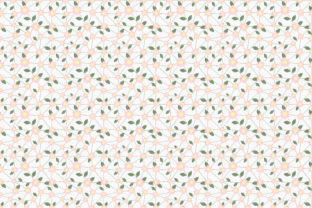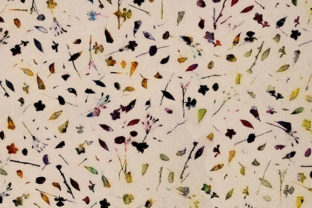
Branches, Flowers and Leaves Texture: A Fusion of Nature and Art
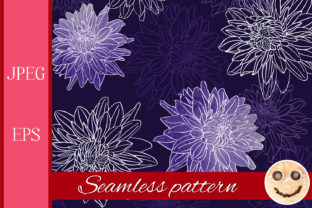
In an age where digital experiences dominate our daily lives, there’s a quiet resurgence of interest in the tactile and visual elements of the natural world. Branches, Flowers and Leaves Texture has emerged as a compelling theme that bridges the gap between art and nature, offering a unique aesthetic that resonates with both creators and consumers. This style, often seen in mixed media compositions, brings together organic textures—like those found on leaves, flowers, and branches—with a paper texture background, creating a layered, almost tangible experience.
The combination of natural elements with a paper base is not just visually appealing; it also taps into a growing desire for authenticity and craftsmanship. In a world where screens can feel overwhelming, this kind of design offers a calming, grounded alternative. It invites viewers to slow down, observe, and connect with something real and enduring.
The Evolution of Natural Textures in Design
Over the past decade, there has been a noticeable shift in how people engage with visual content. While high-tech interfaces and immersive digital environments have become the norm, many are now seeking more organic, human-centric designs. This trend is evident across various industries—from branding and packaging to interior design and digital art.
Branches, Flowers and Leaves Texture fits seamlessly into this movement. It reflects a broader cultural shift towards sustainability, mindfulness, and a deeper appreciation for the natural world. As more businesses and individuals prioritize eco-conscious values, incorporating natural textures into their work becomes a meaningful statement.
Moreover, the rise of mixed media art has allowed designers and artists to experiment with combining different materials and textures. This approach not only enhances visual depth but also encourages creativity and innovation. The use of paper as a base further adds to the charm, giving the composition a sense of history and tradition.
Why Branches, Flowers and Leaves Texture Matters Today
There are several reasons why Branches, Flowers and Leaves Texture has gained traction in recent years. First, it aligns with the increasing demand for visually rich and emotionally engaging content. People are no longer satisfied with flat, static images—they want depth, contrast, and a sense of movement.
Second, this style supports the growing trend of minimalism with texture. While minimalism emphasizes simplicity, it doesn’t have to exclude complexity. By layering natural elements over a textured paper background, designers can create a balance that feels both modern and timeless.
Third, the psychological impact of natural textures cannot be ignored. Studies have shown that exposure to natural elements can reduce stress, improve focus, and enhance overall well-being. Incorporating these textures into creative projects or marketing materials can therefore have a positive effect on both the creator and the audience.
Practical Applications of Branches, Flowers and Leaves Texture
Whether you’re a designer, marketer, educator, or hobbyist, Branches, Flowers and Leaves Texture offers a versatile tool for enhancing your work. Here are a few practical applications:
- Branding and Packaging: Using this texture in logos, brochures, or product packaging can give your brand a unique, earthy feel that stands out in a crowded market.
- Digital Art and Illustration: Artists can incorporate these textures into digital paintings or illustrations to add depth and realism.
- Interior Design: Adding textures like these to walls, furniture, or decor can transform a space into a more inviting and natural environment.
- Marketing Materials: Infographics, social media posts, or website backgrounds featuring this style can capture attention while maintaining a calm and professional tone.
One notable example is the use of Branches, Flowers and Leaves Texture in eco-friendly product campaigns. Brands that emphasize sustainability often use this style to visually reinforce their commitment to the environment. It’s a subtle yet powerful way to communicate values through design.
Creating with Paper Texture Backgrounds
When working with Branches, Flowers and Leaves Texture, the choice of background plays a crucial role. A paper texture background not only adds warmth and character but also allows the natural elements to stand out more effectively. This is especially important when using high-resolution images, such as the JPG file with a width of 2802 px and height of 2081 px.
To make the most of this format, consider the following tips:
- Layering Techniques: Use transparent layers to blend the natural elements with the paper texture without losing clarity.
- Color Contrast: Choose colors that complement the natural tones of the leaves, flowers, and branches to ensure visibility and impact.
- Detail Enhancement: Enhance the fine details of the textures using tools like brushes or filters to bring out the organic qualities of each element.
- Consistency in Style: Maintain a cohesive look by ensuring all elements—whether they are branches, flowers, or leaves—are styled consistently within the composition.
These techniques help create a visually engaging and emotionally resonant piece that appeals to both the eye and the mind.
The Future of Natural Textures in Creative Work
As we move forward, the role of Branches, Flowers and Leaves Texture in creative practices will likely continue to grow. With the increasing availability of high-quality digital tools and resources, more creators are experimenting with natural textures in innovative ways.
At the same time, there is a growing awareness of the importance of mental health and well-being. This has led to a greater emphasis on designs that promote calmness, focus, and connection with nature. Branches, Flowers and Leaves Texture naturally fits into this context, offering a visual language that speaks to both aesthetics and emotional needs.
For professionals and entrepreneurs, integrating this style into their work can help differentiate them in competitive markets. It’s a way to show creativity, attention to detail, and a deep respect for the natural world—all qualities that resonate with today’s audiences.
Ultimately, Branches, Flowers and Leaves Texture is more than just a design trend—it’s a reflection of our evolving relationship with nature and technology. By embracing this style, creators can offer something truly unique and meaningful to their audiences.