Discover the Timeless Beauty of Batik Pattern
Batik pattern, a traditional textile art form originating from Indonesia, has transcended its cultural roots to become a globally recognized design element. Known for its intricate motifs and symbolic meanings, batik is more than just an aesthetic choice—it’s a statement of heritage, craftsmanship, and elegance. In today’s design landscape, batik pattern is being reimagined through modern techniques like vector abstract floral seamless patterns, ornamental backgrounds, and repeat geometric tiles. These contemporary interpretations offer new ways to incorporate the essence of batik into various creative projects.
The Essence of Batik Pattern
Batik pattern is traditionally created using a wax-resist dyeing technique, where artisans apply hot wax to fabric to create patterns before dyeing. This process allows for detailed, layered designs that are both visually striking and rich in meaning. Each motif often carries cultural significance, reflecting stories, beliefs, or social status. While the traditional method remains revered, modern adaptations have expanded the possibilities of batik pattern, making it accessible for a wider audience.
Today, designers are blending traditional batik elements with contemporary aesthetics. Vector abstract floral seamless patterns, for example, take the organic flow of batik and translate it into scalable, repeatable digital formats. These patterns are ideal for use in web design, branding, and interior decoration. They maintain the visual complexity of batik while offering flexibility in application and scale.
Ornamental Backgrounds and Repeat Geometric Tiles
Ornamental backgrounds inspired by batik pattern bring a sense of sophistication and depth to any space or design. Whether used as a backdrop for digital content or as a wall covering, these backgrounds can transform the visual experience. The key feature of such designs is their ability to create a cohesive, immersive environment without overwhelming the viewer.
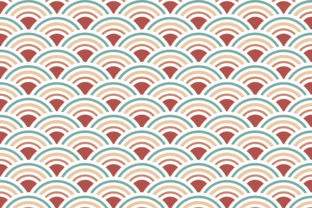
Repeat geometric tiles, another popular adaptation of batik, offer a structured yet artistic approach to design. These tiles can be arranged in various configurations to create dynamic compositions. The interplay of lines, curves, and shapes in batik-inspired geometric tiles makes them versatile for both decorative and functional applications.
Flower Figures and Curved Lines: A Visual Language
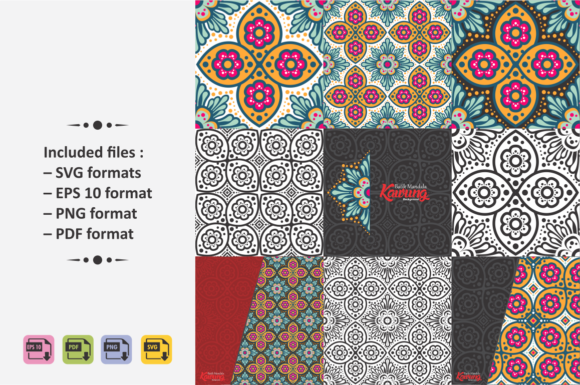
Flower figures are a recurring theme in batik pattern, symbolizing growth, renewal, and beauty. When translated into vector format, these floral elements retain their organic charm while becoming more adaptable for different mediums. Curved lines, which are central to the batik aesthetic, add fluidity and movement to otherwise rigid geometric structures.
These design elements are particularly effective in creating elegant monochrome ornament textures. By using a single color palette, designers can emphasize the intricacy of the patterns without the distraction of multiple hues. This approach is especially appealing for dark design applications, where subtlety and contrast play a crucial role in visual impact.
Grid and Lattice: Structuring the Unstructured
While batik pattern is often associated with free-flowing, organic forms, the integration of grid and lattice structures adds a layer of order and precision. Grid systems provide a framework that ensures consistency and alignment, making batik-inspired designs more suitable for digital interfaces, print media, and architectural elements.
Lattice patterns, on the other hand, introduce a sense of depth and dimensionality. They can be used to create intricate overlays or as standalone features in decorative settings. When combined with batik’s curved lines and floral motifs, lattice structures offer a unique blend of structure and grace.
Applications of Batik-Inspired Design
Batik pattern and its modern adaptations are finding their way into a wide range of industries and creative fields. Here are some practical examples:
- Interior Design: Batik-inspired ornamental backgrounds and geometric tiles are perfect for creating elegant, textured walls or flooring. Their dark, monochrome tones make them ideal for modern, minimalist spaces.
- Fashion and Textiles: The intricate details of batik pattern lend themselves well to fabric designs, especially when paired with vector-based floral motifs. These patterns can be printed on clothing, accessories, or home textiles.
- Digital Media: Seamless batik patterns are highly valued in web and app design for their scalability and visual appeal. They can be used as background images, icons, or decorative elements.
- Art and Craft: Artists and crafters are incorporating batik elements into mixed-media projects, combining traditional techniques with modern materials and tools.
Evaluating Suitability for Your Project
Before incorporating batik pattern into your design, consider the following factors:
- Intended Use: Determine whether the design will be used for commercial, personal, or artistic purposes. This will influence the level of detail and complexity required.
- Target Audience: Understand who will interact with the design. A batik-inspired pattern may resonate differently with a younger, tech-savvy audience versus a more traditional demographic.
- Technical Requirements: Ensure that the design format (e.g., vector vs. raster) aligns with your project’s needs. Vector patterns are generally more flexible and scalable.
- Color Scheme: Choose a color palette that complements the overall aesthetic of your project. Monochrome versions of batik pattern offer a clean, sophisticated look.
It’s also important to recognize the limitations of batik pattern. While it offers rich visual storytelling, it may not always be the best fit for every design context. For instance, overly complex patterns can overwhelm simpler layouts or reduce readability in digital interfaces.
Conclusion: Embracing the Legacy of Batik Pattern
Batik pattern continues to evolve, proving that tradition and innovation can coexist beautifully. From ornamental backgrounds to repeat geometric tiles, the versatility of batik-inspired designs makes them valuable assets in both professional and personal projects. Whether you’re a designer, artist, or business owner, understanding the strengths and nuances of batik pattern can help you make informed decisions about its application.
By exploring the intersection of culture, art, and technology, you can unlock new creative possibilities with batik pattern. Its enduring appeal lies in its ability to tell stories, evoke emotions, and inspire transformation—both in design and in the people who engage with it.