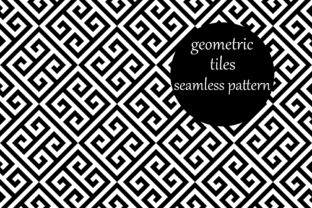
Monochrome Geometric Twist Tiles Pattern
The Monochrome Geometric Twist Tiles Pattern is a striking design that blends simplicity with complexity. It consists of alternating black and white geometric shapes arranged in a twisting, interlocking layout. This pattern has gained popularity across various industries due to its clean aesthetic and adaptability. Whether used in interior design, fashion, or digital media, the Monochrome Geometric Twist Tiles Pattern offers a versatile solution for creating visual interest without overwhelming the eye.
The Structure of the Pattern
The foundation of the Monochrome Geometric Twist Tiles Pattern lies in its geometric composition. Each tile is a shape—often a square, circle, or triangle—that is divided into smaller sections. These sections are then alternated between black and white, forming a twist effect that creates depth and movement within the design. The interplay of light and dark elements enhances the perception of dimension, making the pattern appear more dynamic than it might at first glance.
One of the most appealing aspects of this pattern is its ability to be scaled. Whether applied to small accessories or large wall coverings, the Monochrome Geometric Twist Tiles Pattern maintains its clarity and impact. Its monochrome nature also allows it to be easily integrated into both modern and traditional settings, making it a timeless choice for designers and creators alike.
Design Applications and Versatility
The Monochrome Geometric Twist Tiles Pattern is not limited to a single application. It can be found in a wide range of creative fields, including:
- Interior Design: Used in flooring, wall art, and furniture upholstery, this pattern adds a contemporary touch while maintaining a sense of order and balance.
- Fashion: Incorporated into clothing, accessories, and even footwear, the pattern brings a bold yet elegant look to apparel collections.
- Digital Media: Seen in website backgrounds, app interfaces, and graphic designs, the pattern provides a clean, visually engaging backdrop that supports content without overshadowing it.
- Art and Craft: Artists and crafters use the Monochrome Geometric Twist Tiles Pattern as inspiration for hand-painted murals, textiles, and mixed-media projects.
Its versatility stems from its minimalistic approach. Unlike more intricate patterns that require careful placement, the Monochrome Geometric Twist Tiles Pattern is forgiving and easy to replicate. This makes it an excellent option for DIY enthusiasts and professionals looking to incorporate a modern design language into their work.
Practical Benefits of Using the Pattern
When choosing a design pattern, several factors come into play, including aesthetics, functionality, and ease of use. The Monochrome Geometric Twist Tiles Pattern excels in all these areas. Here are some key benefits:
- Ease of Replication: Because the pattern is made up of repeating geometric shapes, it can be easily reproduced using digital tools or traditional methods. This makes it ideal for large-scale projects where consistency is essential.
- Visual Balance: The alternating black and white elements create a sense of equilibrium, preventing the design from feeling too busy or too sparse. This balance is particularly useful in environments where visual harmony is important.
- Adaptability: The pattern can be modified to suit different color schemes, textures, and materials. For example, it can be paired with metallic finishes for a high-end look or with matte textures for a more subdued effect.
- Cultural Relevance: In today's design landscape, there's a growing appreciation for minimalist and abstract styles. The Monochrome Geometric Twist Tiles Pattern aligns perfectly with these trends, making it a relevant choice for contemporary projects.
Additionally, the pattern’s simplicity allows for creative experimentation. Designers can manipulate the size, spacing, and orientation of the tiles to achieve unique visual effects. This flexibility encourages innovation while maintaining a cohesive overall look.
Considerations for Implementation
While the Monochrome Geometric Twist Tiles Pattern is highly adaptable, there are a few considerations to keep in mind when implementing it:
- Scale Matters: When applying the pattern to larger surfaces, it's important to ensure that the scale remains consistent. If the tiles are too small, the pattern may become indistinct; if they're too large, the design may lose its intricate details.
- Lighting Conditions: The contrast between black and white elements can be affected by lighting. In spaces with harsh or uneven lighting, the pattern may appear less defined. Testing the design under different lighting conditions is recommended before finalizing a project.
- Material Compatibility: The pattern works best on smooth, flat surfaces. Textured or uneven materials may alter the appearance of the design. Consider the material’s surface finish when selecting a medium for the pattern.
- Cultural Sensitivity: While the pattern itself is neutral, it’s always wise to consider cultural associations. Some geometric patterns hold symbolic meanings in certain cultures, so it’s important to research and respect these contexts when using the design globally.
By addressing these considerations, designers can ensure that the Monochrome Geometric Twist Tiles Pattern is implemented effectively and thoughtfully.
Conclusion
The Monochrome Geometric Twist Tiles Pattern is a powerful design element that combines elegance with functionality. Its clean lines, alternating colors, and geometric structure make it a popular choice across multiple industries. Whether you're working on a home renovation, a fashion line, or a digital interface, this pattern offers a versatile and visually appealing solution. By understanding its characteristics, applications, and implementation considerations, you can confidently integrate the Monochrome Geometric Twist Tiles Pattern into your creative projects and elevate your design outcomes.